Questions you asked
Do I need a diagnosis to come to therapy with you?
No. A diagnosis can be a useful framework, but it isn't a requirement. Many of the women I work with are mid-assessment, or have a strong sense that autism or ADHD fits without any formal diagnosis underway. If you're searching for therapy for undiagnosed ADHD or wondering whether you might be autistic, you don't need to wait. What matters is that you're curious about yourself and ready to explore. The work doesn't wait for a label to begin.
What is late diagnosis?Late diagnosis refers to receiving an autism or ADHD diagnosis in adulthood, often after decades of not knowing why things felt harder, stranger, or more exhausting than they seemed to for everyone else. Late autism diagnosis in women is particularly common, because the presentation looks different in women and has historically been missed or misattributed to anxiety, depression, or personality. Late ADHD diagnosis in women follows a similar pattern.
In therapy, late diagnosis matters because it often arrives with a lot to process. Relief, grief, anger, confusion, a sudden need to reread your entire life through a different lens. That process deserves real space and time. It isn't just about managing symptoms. It's about understanding who you've been, and working out who you are now that you know
How do I know if I'm autistic or have ADHD
This is one of the most common questions I hear, and the honest answer is that formal diagnosis comes through a clinician, not through therapy. If you're looking into autism assessment for women or ADHD diagnosis as an adult, your GP is usually the first step, though many people pursue private assessment due to NHS waiting times.
What I can say is that many women describe a particular feeling before they know: a sense of always having had to work harder than others to seem fine, of masking without knowing that's what it was, of feeling like everyone else got a manual they never received. If that resonates, it might be worth exploring further, whether through a formal assessment or through therapy that holds that question with you.
I'm not an assessor, but I work closely with the experience of late-diagnosed and pre-diagnosis women, and sometimes the process of self-understanding in therapy runs alongside, or even ahead of, a formal diagnosis
Do you work only with neurodivergent clients?
No. While a significant part of my work is with autistic and ADHD women, I work with anyone who feels drawn to depth-oriented, creative therapy. You don't need to be neurodivergent, diagnosed, or even questioning a diagnosis to work with me.
What my clients tend to share is a sense that something has gone unexamined for too long. A feeling of not quite fitting, of performing a version of themselves that doesn't feel entirely true, of wanting to understand themselves more honestly. That experience cuts across diagnostic categories.
If you're searching for therapy for identity, therapy for feeling lost, or just want a space that takes your inner life seriously, you're welcome here
Can therapy help with masking?
Yes, and it's one of the things I work with most often. Masking, the process of suppressing or camouflaging your natural ways of thinking, feeling, and moving in order to fit in, is exhausting in a way that's hard to explain to someone who hasn't experienced it. Many women don't even realise they've been doing it until they're burnt out, disconnected, or struggling to know what they actually want or feel.
Therapy for masking isn't about unmasking in one dramatic moment. It's a gradual process of noticing where the performance is happening, understanding what it's been protecting, and finding ways to be more fully yourself without feeling unsafe. For autistic and ADHD women especially, this work can feel quietly revolutionary.
Art therapy can be particularly useful here, because image and creative process often reach parts of experience that words, and the performance that can come with them, don't.
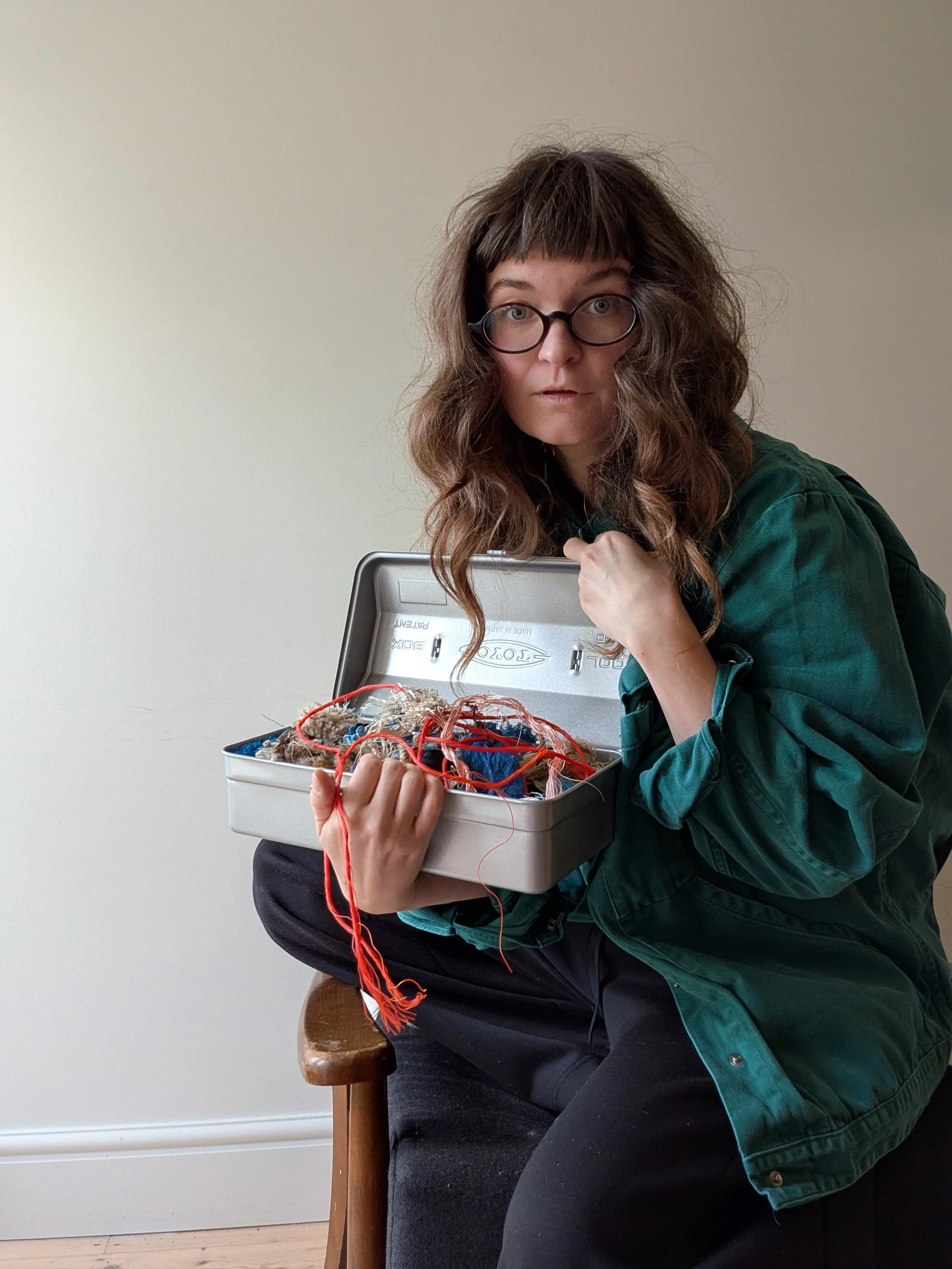
Can we work in person?Yes, though with a twist. I don't work in a traditional therapy room. My in-person sessions take place outdoors, in Whitstable and Margate, and that's a deliberate choice rather than a limitation.
Outdoor therapy has a growing evidence base, and for many neurodivergent clients it's a genuinely better fit. Movement, fresh air, and natural environment can reduce the particular kind of hyper-vigilance that an enclosed room can produce, making it easier to think, feel, and speak. Walking alongside someone, rather than sitting opposite them, changes the quality of attention in ways that are hard to articulate but easy to feel.
There is also real scope for creativity outdoors. Found objects, natural materials, drawing, writing, and mark-making can all find their way into sessions when the setting allows for it. Art therapy doesn't require a studio.
If you're looking for outdoor therapy in Whitstable, walk and talk therapy in Kent, or in-person therapy in Margate that takes creativity seriously, get in touch to talk through what might work for you.
*we could also arrange regular sessions in London but that needs to be discussed and planned